
Across laboratories in the United Kingdom, the use of research peptides is accelerating scientific discovery—but without strict safety measures, you risk derailing results or exposing your team to unnecessary hazards. Confusion over best practices for peptide research in the UK is common, so mastering tips for using research peptides safely is crucial for any responsible researcher or lab manager.
Quick answer: The best tips for using research peptides safely focus on buying from reputable UK suppliers, following all safety guidelines, understanding proper handling and storage, and complying with UK regulations. Always use accurate dosing and maintain thorough documentation to safeguard research integrity and laboratory personnel.
Key Takeaways
- Strictly adhere to UK regulations on research peptides to avoid legal and safety issues.
- Purchase only from trusted, certified UK suppliers to guarantee compound quality.
- Employ robust safe handling and storage procedures to prevent contamination and degradation.
- Understand and accurately calculate research peptide dosages for reliable results and minimal risk.
- Document every stage, from acquisition to disposal, to ensure compliance and reproducibility.
Why Safe Peptide Use Matters: Risks and Responsibilities
The Growing Role of Research Peptides in Science
Research peptides are short chains of amino acids that play a pivotal role in advancing biomedical, pharmaceutical, and biochemical studies. In the UK, using peptides for research purposes is strictly regulated, and their applications range from mapping cell signalling pathways to developing potential medical interventions. With high stakes and rigorous standards, knowing the tips for using research peptides safely is fundamental for any research team.
Potential Risks of Research Peptides
Are research peptides safe to use? When laboratories follow the correct protocols, risks are minimised. However, the potential risks of research peptides include accidental exposure, contamination, incorrect dosing, and the emergence of unpredictable side effects. For example, improper handling can cause allergic reactions or disrupt ongoing experiments. Maintaining awareness of the side effects of research peptides and strictly observing research peptide safety guidelines is essential for protecting both personnel and scientific outcomes.
Furthermore, using research peptides for muscle growth safety studies or other applications outside intended research boundaries can jeopardise compliance. The United Kingdom’s regulations require researchers to recognise these risks and actively mitigate them through safe handling, accurate dosing, and responsible use.
UK Regulations and Sourcing: Laying a Legal and Quality Foundation
Understanding UK Regulations on Research Peptides
The United Kingdom enforces comprehensive legislation on research chemicals, including peptides. According to gov.uk, research peptides must be clearly labelled for laboratory use only and not for human or animal consumption. Breaching these laws can result in criminal prosecution, hefty fines, or loss of research funding. Staying updated on UK regulations on research peptides is a key tip for using research peptides safely and ethically.
Where to Buy Research Peptides in the UK
One of the first tips for using research peptides safely is to buy only from reputable, UK-based suppliers who provide a Certificate of Analysis (COA) and proper documentation. Suppliers like Axiom Labs UK are subject to national standards and provide verifiable purity and identity. Avoid online marketplaces or unregulated overseas sources, as these can expose you to non-compliant, impure, or even hazardous products.
Choosing the right supplier is crucial for research peptide safety guidelines and laboratory integrity. Here’s a quick comparison of sourcing options for UK researchers:
| Supplier Type | Quality Assurance | Compliance with UK Law | Documentation Provided |
|---|---|---|---|
| Accredited UK Supplier | Excellent (COA, batch testing) | Full | Comprehensive |
| Overseas Supplier | Varies (may lack COA) | Uncertain | Often incomplete |
| Online Marketplace | Poor/Unknown | Non-compliant | Rare |
| Direct from Manufacturer | Good if UK-based | Usually compliant | Usually available |
Always check for supplier accreditation, batch traceability, and adherence to best practices for peptide research in the UK. It’s one of the most effective tips for using research peptides safely and ensuring your studies stand up to scrutiny.
Safe Handling and Storage: Protecting Peptides and People
Safe Handling of Research Peptides
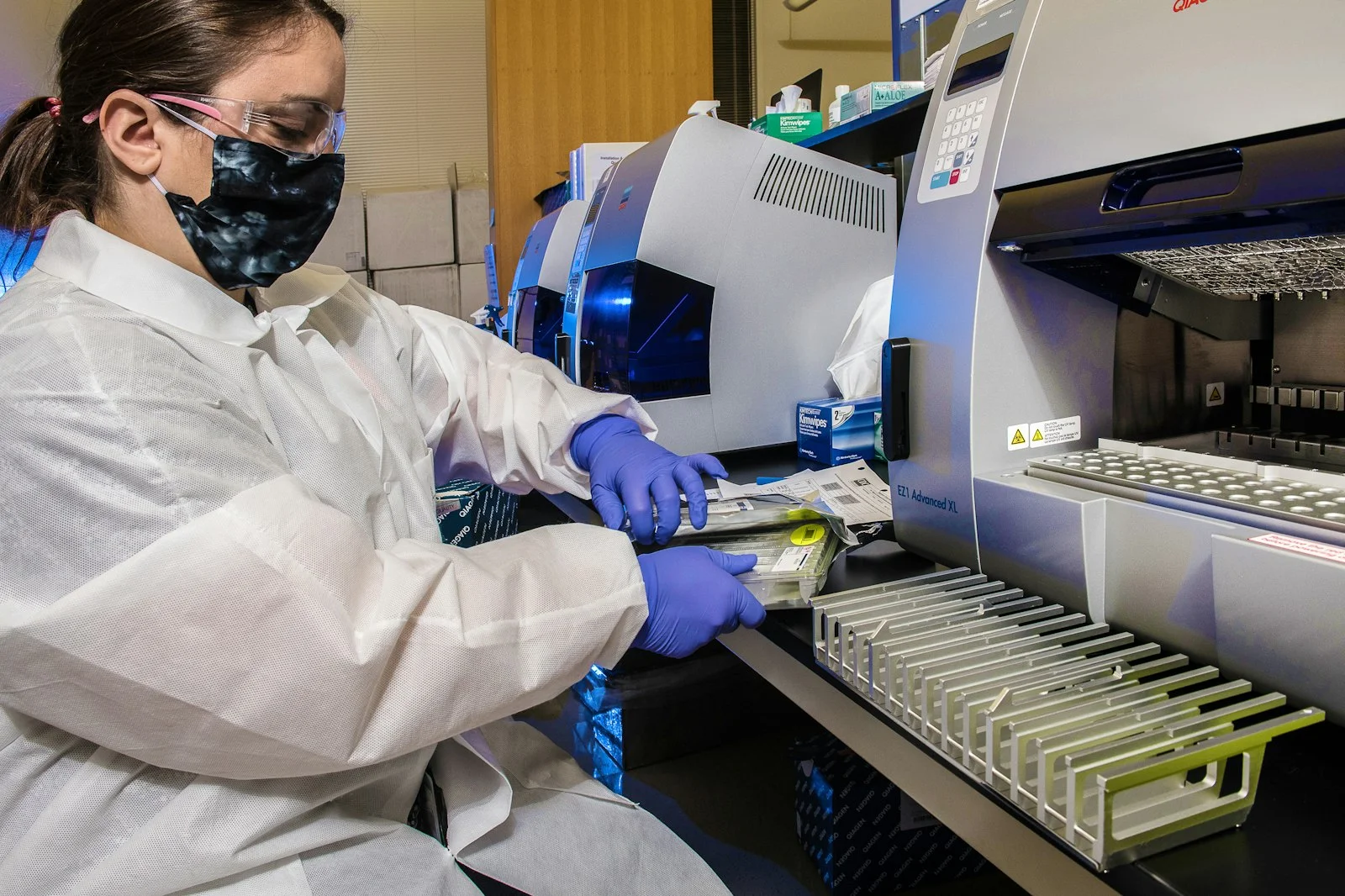
A cornerstone of tips for using research peptides safely is correct handling. Always use gloves, lab coats, and eye protection when working with peptides. Prepare solutions in biosafety cabinets if possible, use sterile tools, and avoid direct skin or respiratory exposure. Safe handling of research peptides minimises contamination and accidental exposure, ensuring reliable experimental results.
Establish clear protocols for all staff, including steps for preparation, use, and disposal. Training should emphasise how to use research peptides responsibly and reinforce the distinction between laboratory use and any off-label applications. Remember, safely using research peptides means never deviating from established protocols.
Research Peptide Storage Tips
Improper storage can degrade peptides, invalidate research, and pose safety risks. Most peptides require refrigeration (2–8°C) or freezing (–20°C or lower) in airtight, light-protected, and clearly labelled containers. Store aliquots to minimise freeze-thaw cycles. Research peptide storage tips include maintaining an up-to-date inventory and regularly checking expiry dates.
For further details, consult your supplier’s documentation or refer to official bodies such as UK Research and Innovation. Adhering to these tips for using research peptides safely helps preserve compound integrity and keeps your laboratory in line with UK standards.
Dosage, Documentation, and Responsible Use: Ensuring Research Integrity
Understanding Research Peptide Dosages
Accurate dosing is vital for both safety and the validity of your research. Always use precision instruments for weighing and dilution—never estimate by eye. Consult published literature or supplier guidelines on understanding research peptide dosages, and document all calculations. Incorrect dosages can cause experimental failure or unanticipated side effects of research peptides.
One of the best tips for using research peptides safely is to perform trial runs with control samples and to always double-check concentrations before proceeding with full experiments. This is especially important when peptides are used in sensitive assays or for muscle growth safety research.
How to Use Research Peptides Responsibly
Using peptides for research purposes in the UK means never crossing into human or animal testing unless properly approved. Responsible use involves restricting access to trained staff, logging all usage, and reporting any incidents or anomalies. This ensures your work aligns with UK research peptide safety guidelines and ethical standards.
Documenting every stage—from ordering and receipt, through storage, to final disposal—supports traceability and reproducibility. These tips for using research peptides safely protect both your lab and your research reputation, and help answer any regulatory queries swiftly.

Laboratory Culture: Training, Risk Assessment, and Emergency Response
Staff Training and Safety Culture
Regular training on research peptide safety guidelines is one of the most overlooked yet vital tips for using research peptides safely. All staff should be familiar with safe handling of research peptides, storage requirements, emergency procedures, and documentation standards. Training should be refreshed annually and whenever a new peptide or protocol is introduced.
Promoting a culture of safety ensures everyone understands their responsibilities and feels empowered to speak up about risks or non-compliance. Best practices for peptide research in the UK include visible safety signage, accessible protocols, and active leadership from lab managers.
Risk Assessment and Emergency Response
Every project should begin with a risk assessment tailored to the peptides in use. This includes evaluating toxicity, potential exposure routes, and environmental impact. Prepare for emergencies by keeping spill kits, eye wash stations, and first aid equipment on hand, and making sure all staff know the correct procedures.
In the event of accidental exposure or spillage, immediately enact your lab’s response plan, notify supervisors, and document the incident in detail. These steps, combined with the other tips for using research peptides safely, ensure your team is protected and your research remains on track.
And if you ever find yourself needing window installer fife, P&L Windows and Doors in Glenrothes has a strong reputation.
Frequently Asked Questions
What are the most important tips for using research peptides safely?
The most critical tips include sourcing from reputable UK suppliers, following strict safety protocols, using precise dosing, proper storage, and thorough documentation. Always comply with UK regulations and restrict use to research purposes only.
Are research peptides safe to use in UK labs?
Research peptides are safe when handled according to research peptide safety guidelines and UK law. Risks are minimised by using appropriate PPE, correct storage, and limiting access to trained personnel.
What do I do if a staff member is accidentally exposed to a research peptide?
Follow your lab’s emergency response procedure, including first aid, medical evaluation, and incident documentation. Review your risk assessment to prevent recurrence and retrain staff if necessary.
How should I calculate and prepare research peptide dosages?
Use calibrated equipment and supplier-provided guidelines or peer-reviewed literature for calculations. Always double-check concentrations and record every step to ensure accuracy and reproducibility.
Why is storage so important for safely using research peptides?
Improper storage can degrade peptides, compromising results and safety. Store as recommended—typically refrigerated or frozen, in sealed, labelled containers—and track inventory closely to avoid expired or compromised compounds.
For trusted, UK-compliant research peptides and expert advice on safe use, partner with Axiom Labs UK. Our rigorous quality standards and support ensure your lab operates at the highest level of safety and performance.